Digital mediation in contemporary painting. An installation where oil paint meets animated light, and a static surface begins to move in time.
Projected Realities is an installation work that brings together traditional oil painting and real-time digital projection. A curated group of paintings is mounted on a gallery wall and activated by a projector that maps animated light, colour, and movement onto each painted surface.
The animations are designed specifically for each painting, so the projection does not sit on top of the work so much as it becomes part of it. The result is a dynamic intermedial surface that oscillates between a physical object and an immersive viewing experience.
The project grew out of a longstanding interest in sensory overlap, immersive art, and the quiet beauty of everyday settings. It is equally a painting project and a new-media project, and the goal throughout has been to keep the hand of both disciplines visible in the final work.
The central questions of this project are about affect. What are the natural elements that create mood in a painting, and what happens when those elements stop being static?
Colour, light, and texture do most of the work in an atmospheric painting, and these are exactly the qualities that projected light is able to modify in real time. The project takes this overlap as a starting point and treats the projector as a painterly tool in its own right.
A second line of inquiry was interactive. How does one preserve the intimacy and considered pace of a traditional gallery exhibit while introducing a subtle temporal element? The answer that emerged through experimentation was restraint. The animations are varied, looping, and transformative to the content of each painting, so that the viewer is invited to linger rather than to watch.

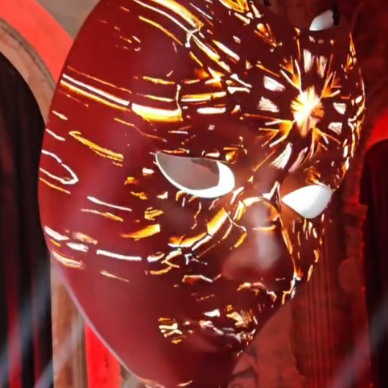
A projection-mapped sculptural mask that demonstrates how digital motion can be integrated with physical form through surface mapping.
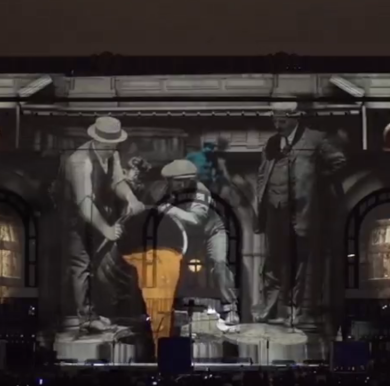
A case study on the logistics and decision-making behind a large-scale projection mapping installation, and on projection as a layer that changes the viewer's relationship to a familiar space.
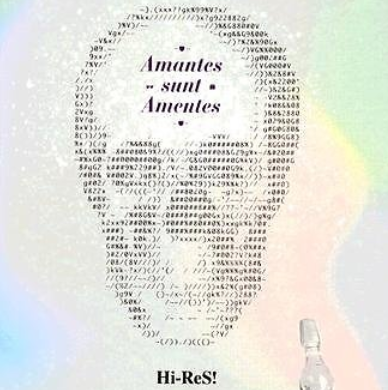
A monograph of immersive projects that treats digital technology as a material rather than a constraint. Referenced for its attitude toward combining media.
The technical gap between the skills I arrived with and the skills this project required was meaningful but navigable. Oil painting was already a familiar medium. TouchDesigner and projection mapping were not, and a large part of the early stages of the project was spent closing that gap through small, targeted experiments.
TouchDesigner was used both for animating the visual content and for mapping the output to the physical paintings. Early experiments focused on real-time generative visuals, but later tests showed that pre-rendered animations integrated into a looping patch produced a cleaner, more controllable result for this specific installation, and freed up attention for the painting work itself.
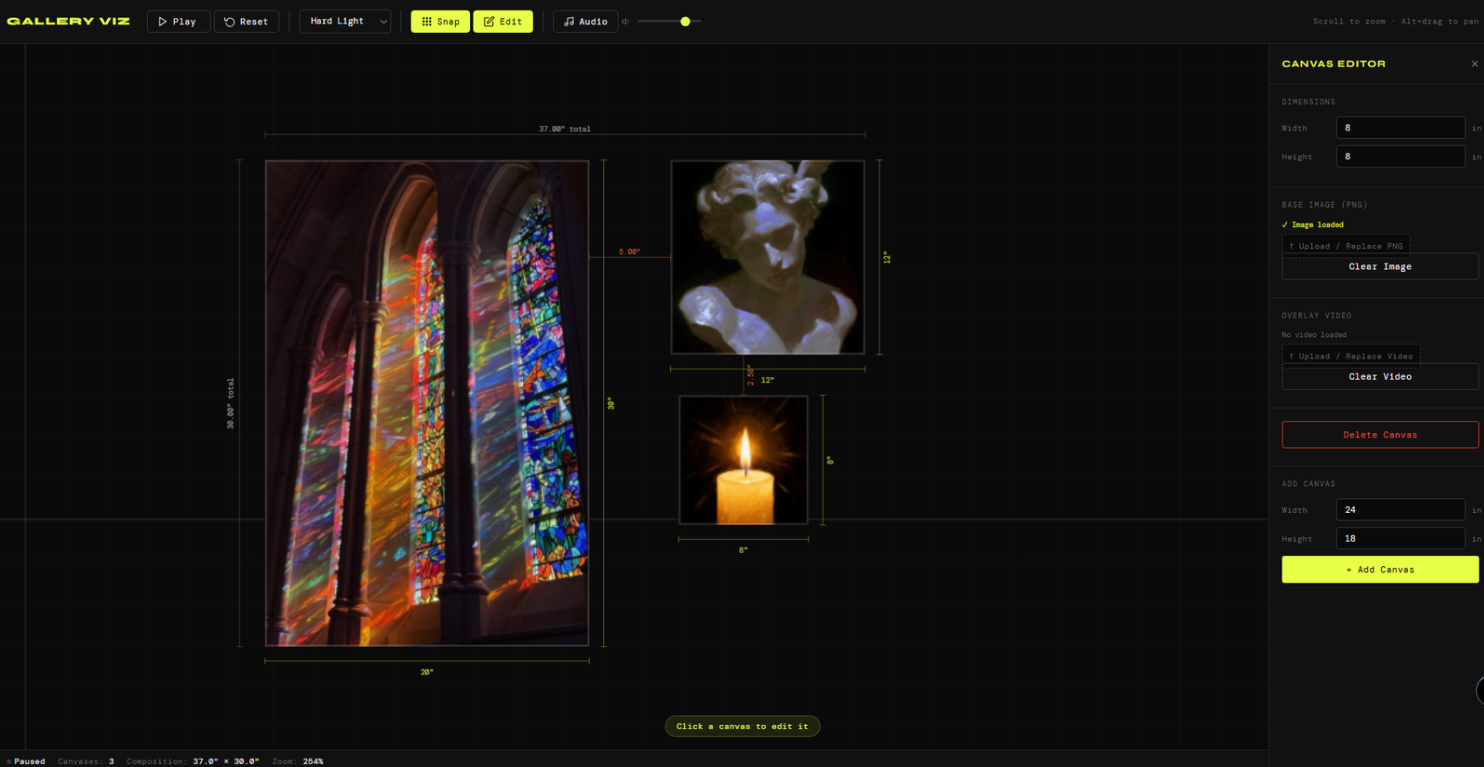
Partway through the project I built a browser-based tool to visualize a projection-mapped gallery wall installation to scale. The tool allows the user to compose multi-canvas layouts, preview animated projections blended onto painted subjects, and make informed decisions about canvas sizing, spacing, and projector field-of-projection, all without needing a projector or a physical setup.
It became an essential part of the planning process and removed a lot of guesswork around installation layout.

Showing process matters. The first playtest made it clear that viewers without prior immersive-art experience benefit from seeing how the work is built, so documentation of the making is treated as a core component rather than a supplement.
First attempts at projecting light onto a small abstract painted panel. The goal at this stage was simply to see whether a painting could be visibly "animated" by projected light.
Shift from abstract to representational subjects after initial playtest feedback. Three loose themes were explored: Ephemeral Beauty (gothic, muted), Scale in Nature (painterly realism), and Painting with Light. The final direction emerged from the third.
Experiments with varied animation speeds within a single composition, based on feedback that temporal range adds visual interest. The final pieces use a mix of slow, moderate, and fast movements, with moments of loose synchronization for cohesion.
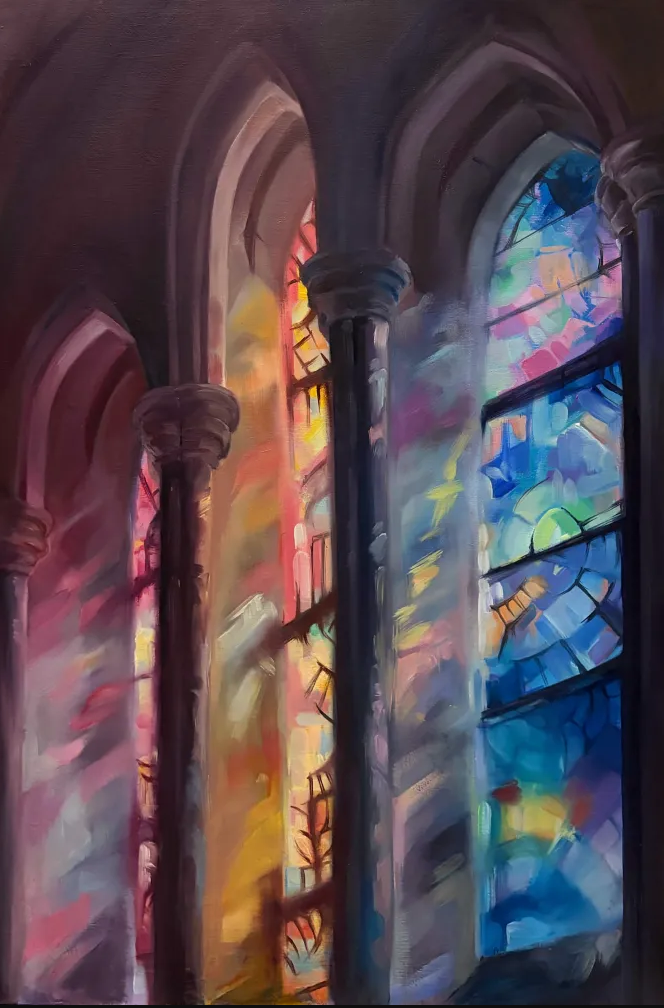
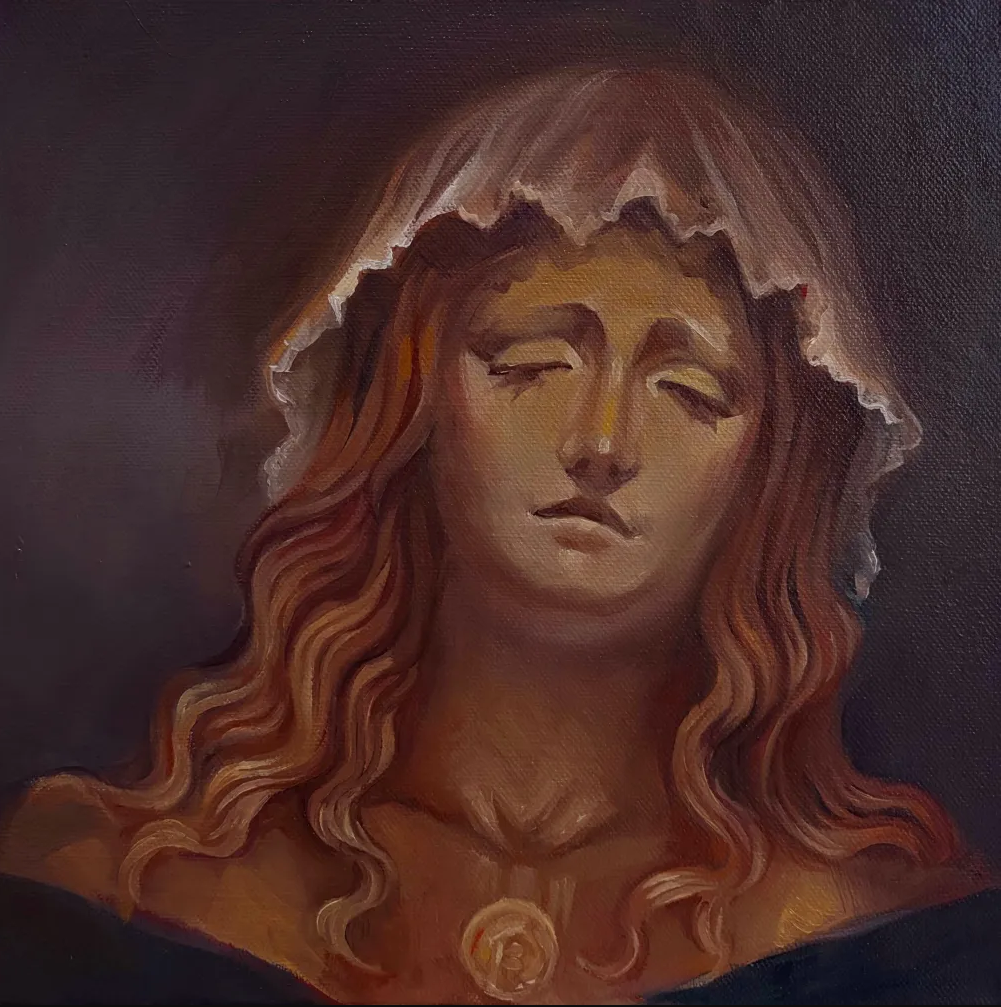
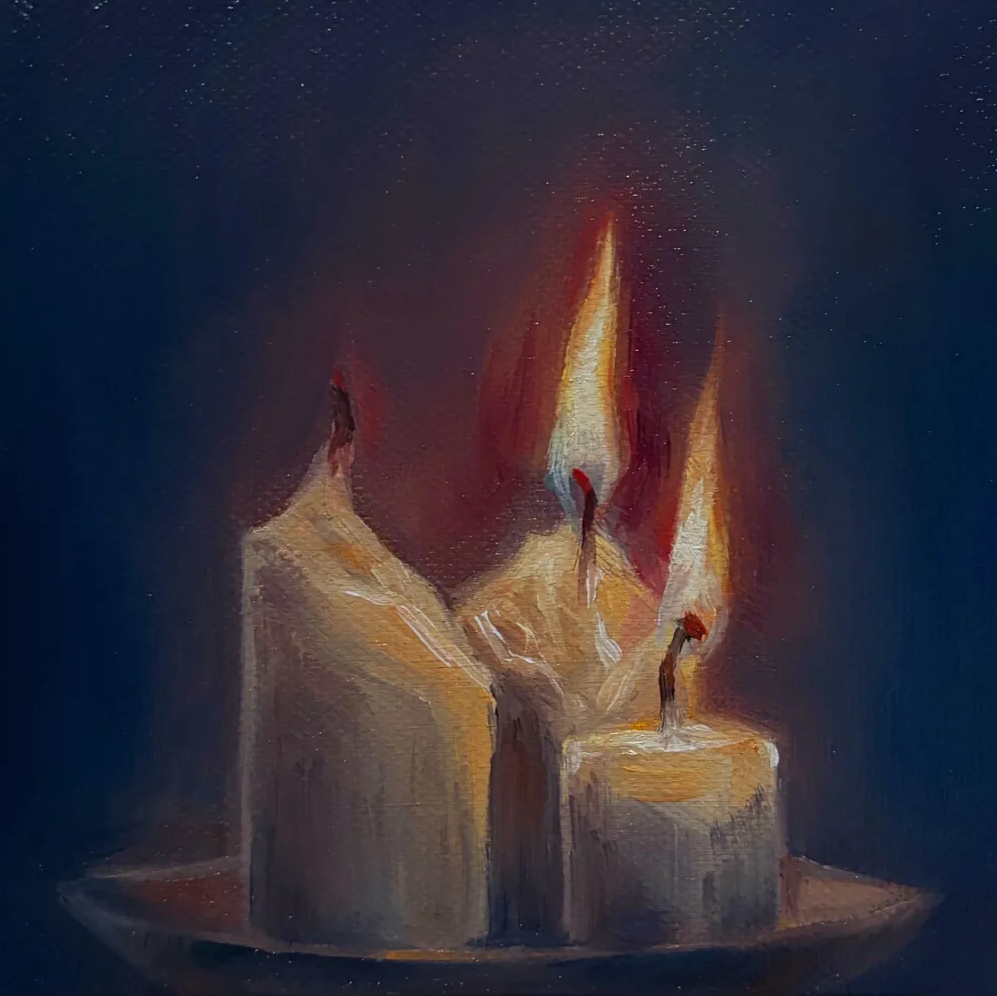
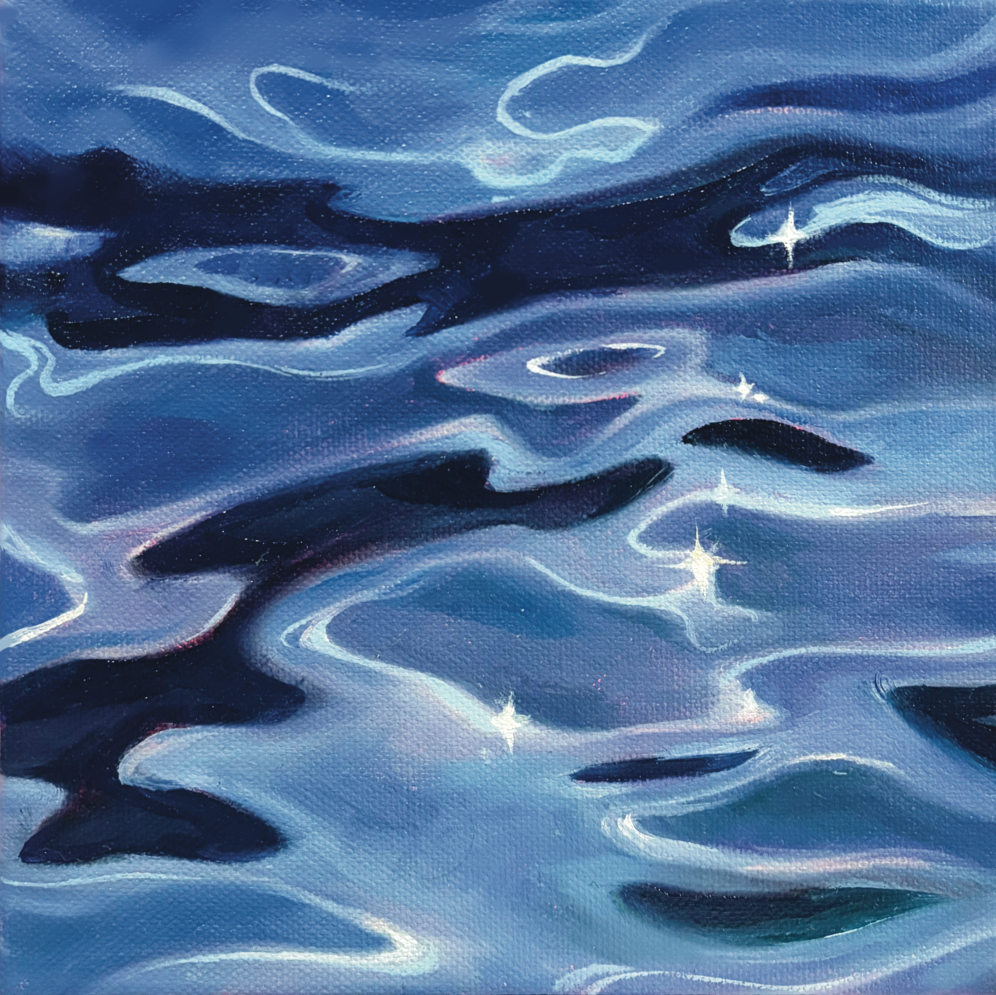
Four paintings chosen from the Painting with Light theme: a bust (12×12), a stained glass window (20×30), a lit candle (6×6), and a water surface (8×8). They found a common subject within the light itself, in different physical states.
Audience understanding of the "animated painting" concept correlated strongly with prior experience of immersive technology. Viewers with that background engaged more readily and responded more positively.
Real-time visuals generated in TouchDesigner did not measurably increase audience appreciation over pre-rendered projections, despite being significantly more technically complex. This became a useful signal about where to direct effort.
The physical setup, including scale of the painting and quality of alignment, had an outsized effect on how the piece was read. Future playtests and the final installation need generous setup time to account for unforeseen technical issues.
Including documentation of the process alongside the final work could help viewers without immersive-exhibit experience engage more fully, and was folded into the plan from this point forward.

The largest painting in the group. A gothic nave with three tall windows, painted in muted tone, with projected colour and shadow moving through the glass like water. The animation is the clearest demonstration of projection-as-light in the installation.

A plaster bust resembling Mary Magdalene in half-shadow, with projected light that ages the sculpture into a skull. The animation treats the sculpture like an artifact, speculating about its history and transformation over a time scale which a human would never naturally witness.

A single candle against a dark ground. The flame is painted as a soft base; the projection adds the rippling, swaying motion that a candle flame actually has. A small painting doing a great deal of work.

Light on rippling water, painted in cool tones, animated with a quick flickering of light on the waters surface. This painting is the most abstract in the set, included to isolate the natural magic of light sparkling on a sunny day. Furthermore, when illuminated, the paintings pink underpainting becomes visible, adding another layer of complexity to the visual experience.
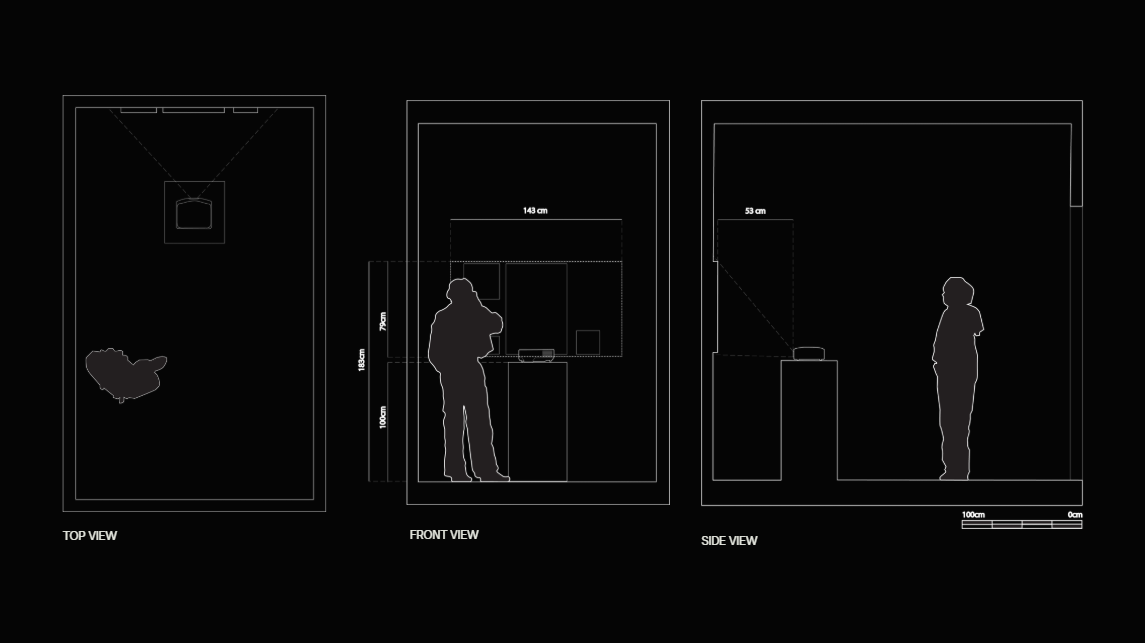
The installation uses a single projector placed 1.5 metres from the wall, set on a low stand that raises the projection floor to 48 cm off the ground. The projection field measures approximately 203 cm wide by 114 cm tall, comfortably containing all four paintings.
The animations loop continuously, so the work runs unattended for the duration of the exhibition without needing to be reset or monitored. A short didactic panel, written in plain language, sits beside the paintings. This is a direct response to Playtest 01, where viewers without immersive-art experience benefited from a written entry point into the work.
The project began as an open question about whether a static painting could be meaningfully activated by projected light, and it ends as an installation that answers yes, though with caveats.
The gesture is at its most effective when the painted subject and the projected animation are chosen together from the start, when the scale is right, and when the room gives the viewer permission to slow down to observe the slower animation loops after being initially captivated by the quick glimmering of the water.
An audio layer would return the project to the original interest in sensory overlap that started it. This work sits inside a larger ongoing interest in the places where traditional and digital media meet, and I expect the questions it raised to continue shaping what I make next.